Working for workplace religious belonging, inclusion & freedom

E-NEWS ACTION DONATE

Monthly Archives: August 2026

From Mozambique to London: Business Leaders Changing Lives

5 Aug, 2026

ANNAPOLIS, Md. | August 2026What does leadership look like when human dignity is not simply a by-product of success, but one of its defining purposes?

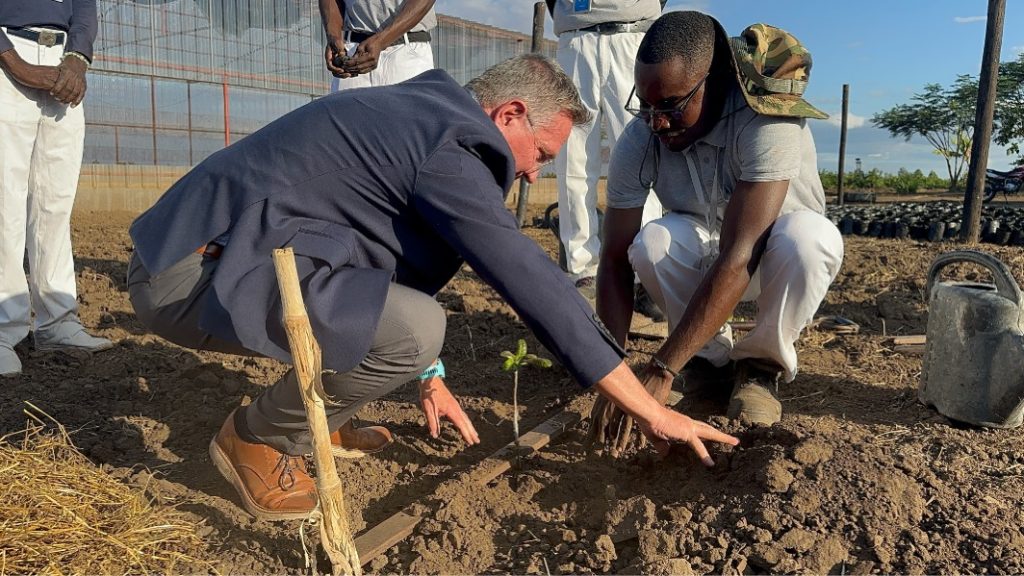
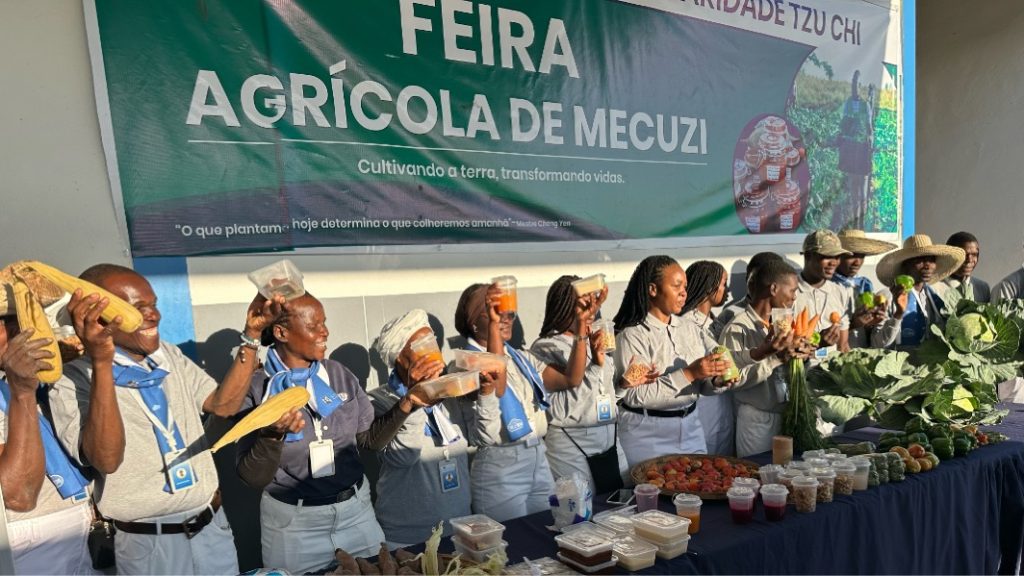
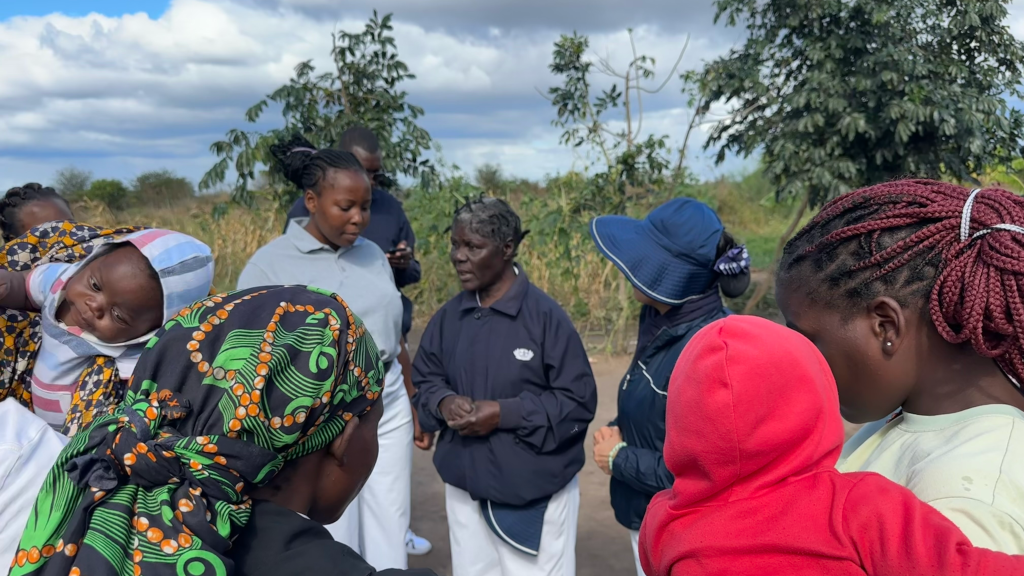
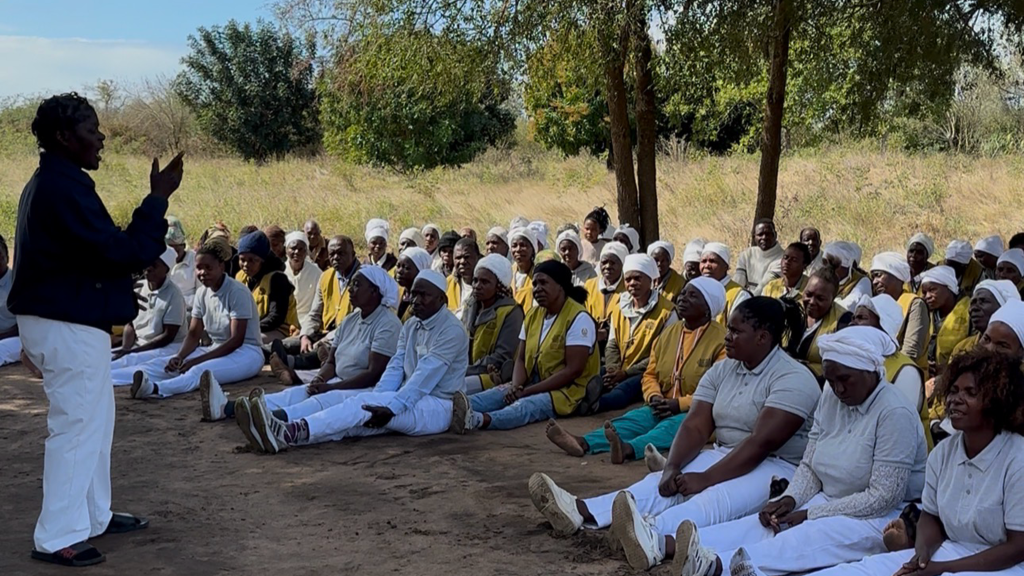
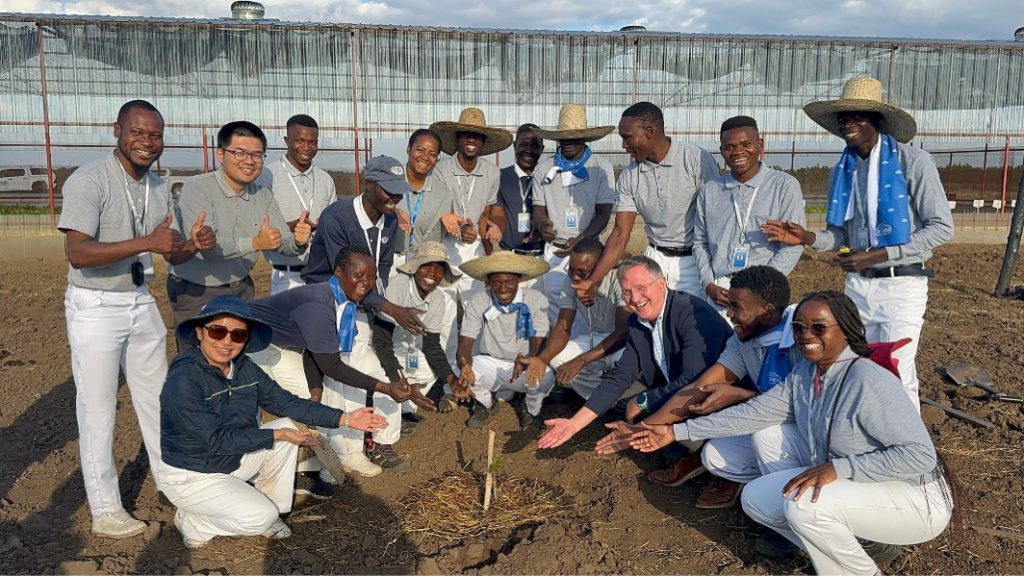
To explore that question, Brian J. Grim, Ph.D., President of the Religious Freedom & Business Foundation and Global Chair of Dare to Overcome, will travel to Mozambique from 12–18 August to visit the work of two recipients of the King Husein Global Business & Interfaith Peace Award: Po-Wen Yen, CEO of the Tzu Chi Foundation and recipient of the 2026 Award, and Don Larson, a previous recipient whose innovative business model is transforming communities through sustainable enterprise.

Though their organisations are very different, both are tackling the same challenge: how leadership, enterprise and deeply held values can be translated into lasting opportunity, restored dignity and stronger communities.

Under Po-Wen Yen’s leadership, the Tzu Chi Foundation has strengthened governance, transparency, sustainability reporting and global engagement while continuing its humanitarian mission across 133 countries and regions. Rooted in Humanistic Buddhism, Tzu Chi combines professional management with compassionate service. Today it mobilises millions of volunteers and invests in education, healthcare, vocational training, environmental stewardship and community rebuilding.

If Tzu Chi demonstrates humanitarian leadership at global scale, Don Larson demonstrates how commercial enterprise itself can become an instrument of human dignity.

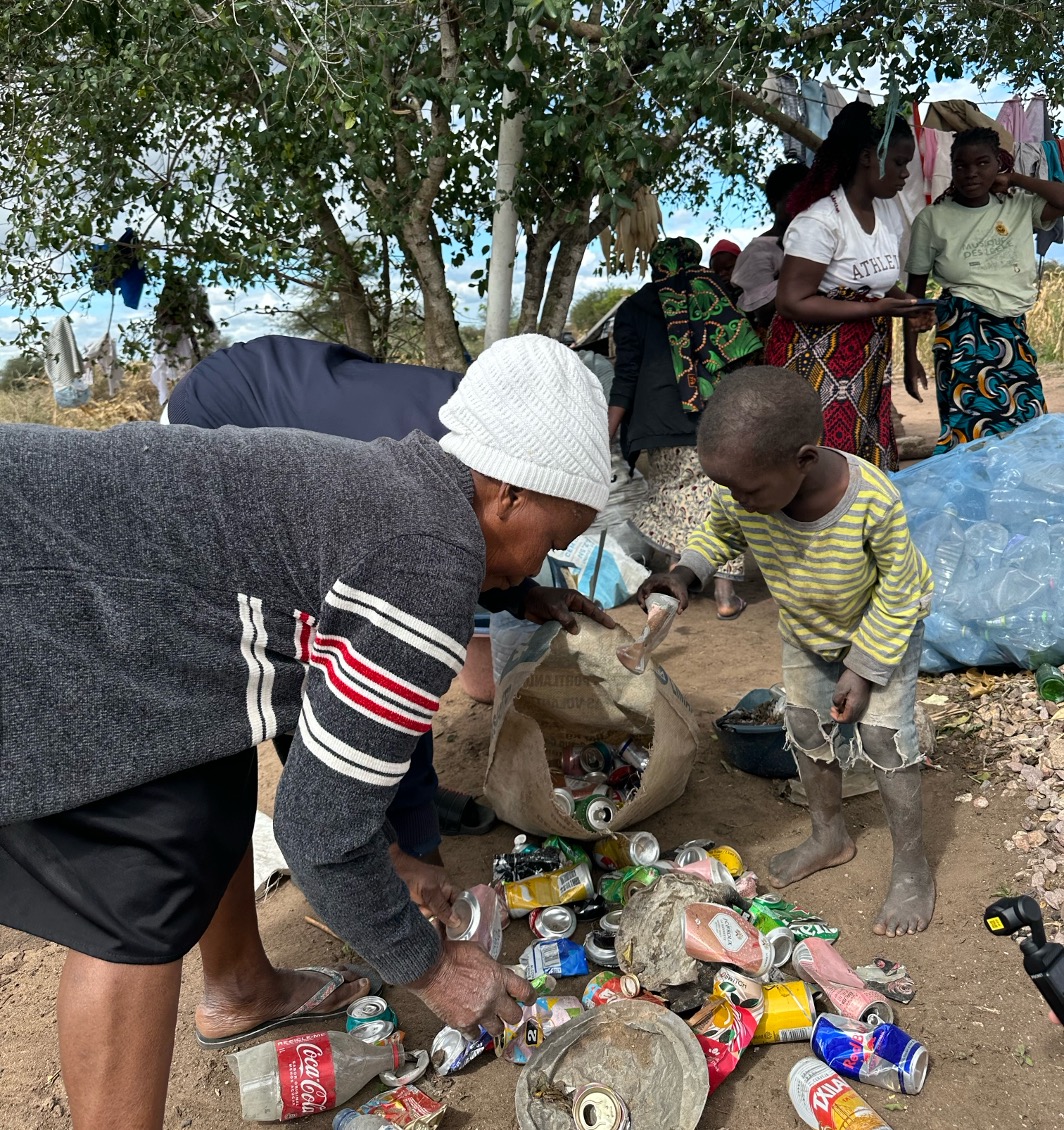
After a successful executive career in the global food industry, including senior leadership roles at Hershey, Larson chose to use his business expertise to combat poverty through enterprise. He built Sunshine Nuts, a competitive food-manufacturing business in Mozambique, designed not simply to produce cashews, but to create jobs, strengthen agricultural value chains, invest in farming communities and restore dignity through sustainable economic opportunity. Larson describes the mission simply as providing “jobs and dignity” through a successful company.

“I’m travelling to Mozambique because I want to see what purpose-driven leadership looks like in practice,” said Grim. “These are not abstract ideas. These are leaders creating jobs, restoring dignity, strengthening communities and changing lives. Seeing that work firsthand is invaluable.”

The visit comes at a time when organisations are investing heavily in artificial intelligence while also asking what kinds of leadership, judgement and human capability will become increasingly valuable. These two award recipients demonstrate that commercial excellence, moral conviction and long-term social impact reinforce rather than compete with one another.

While Grim will spend a week in Mozambique learning from these award-winning leaders in their own context, business leaders will not have to travel nearly so far to meet them.

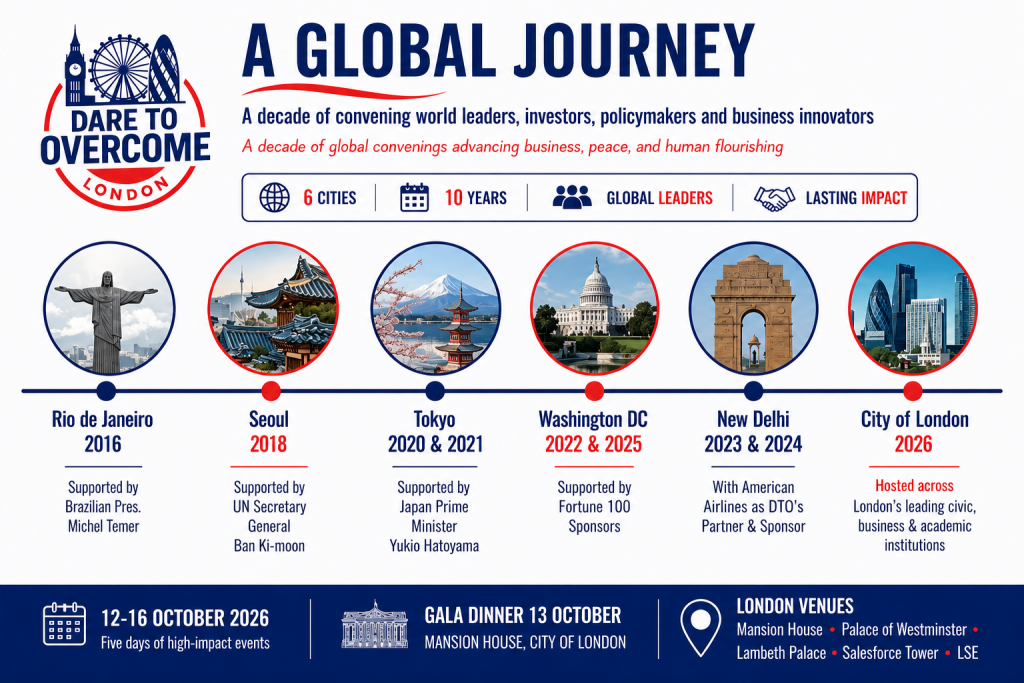
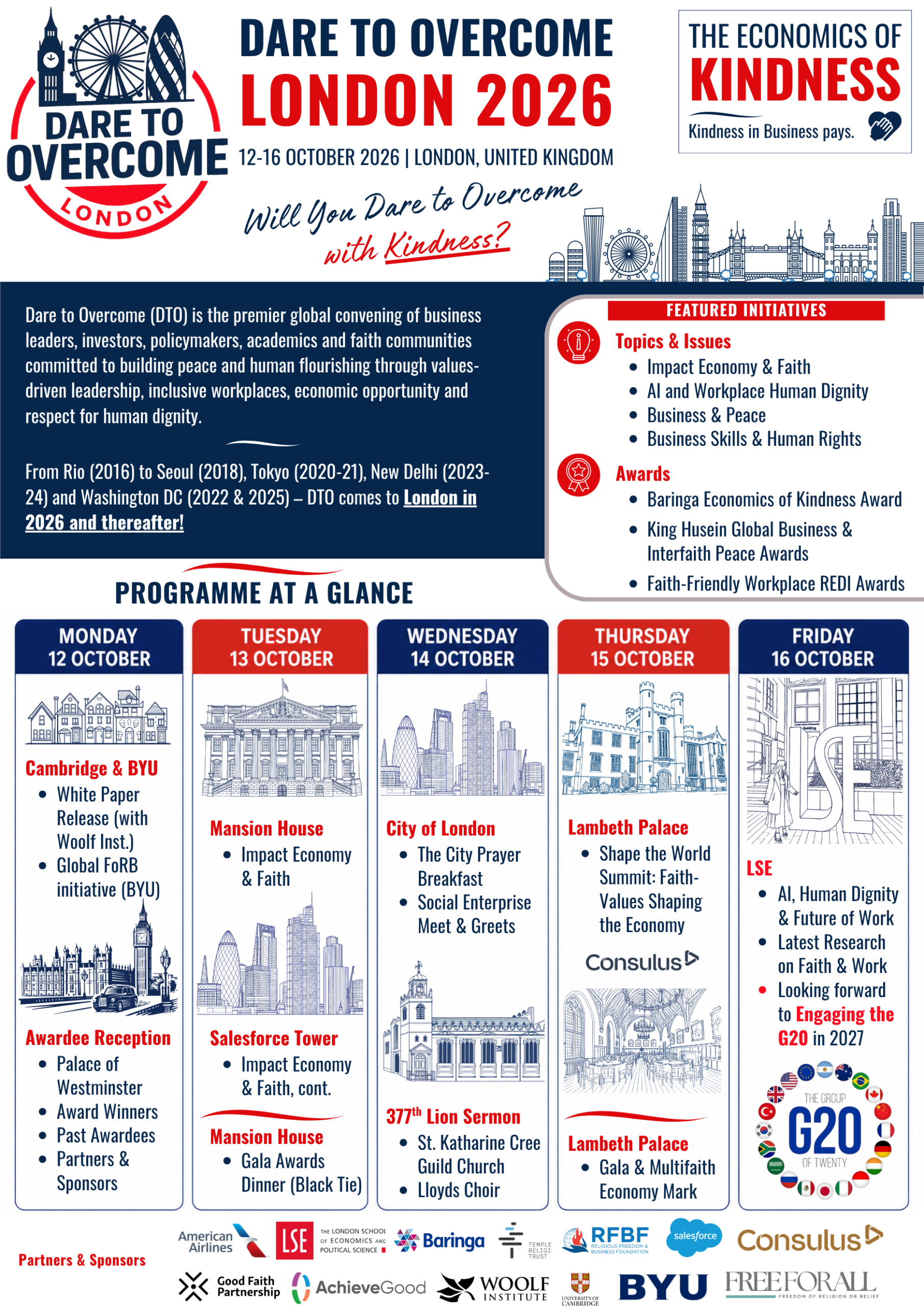
Both Po-Wen Yen and Don Larson will participate in Dare to Overcome London: The Economics of Kindness, taking place 12–16 October 2026. The gathering will bring together leaders from business, finance, education, civil society and government to explore how enterprise can advance human dignity, freedom of religion or belief, cultural understanding, prosperity and peace. The programme will include the presentation of the 2026 King Husein Global Business & Interfaith Peace Awards, alongside dialogues on leadership, faith, business and human flourishing.

“The encouraging news is that you don’t have to travel to Mozambique to learn from these leaders,” Grim said. “In October, they’ll be in London sharing what they’ve learned about leadership, enterprise and the practical work of restoring dignity through business.”

Across very different cultures and organisational models, both leaders demonstrate the same enduring truth: business can be one of humanity’s most powerful tools for creating opportunity, restoring dignity and building peace.

“I’m looking forward to seeing that work in Mozambique,” Grim said, “and even more to introducing these remarkable leaders—and what they have to teach us—to audiences in London.”


About Dare to Overcome London: The Economics of Kindness

Dare to Overcome London: The Economics of Kindness will take place 12–16 October 2026, with events at the Palace of Westminster, Mansion House, the University of Cambridge, St Katharine Cree, and other leading venues across London.

The programme will feature the 2026 King Husein Global Business & Interfaith Peace Awards, the inaugural Economics of Kindness Award, and high-level conversations on purpose-driven enterprise, faith-conscious leadership, freedom of religion or belief, responsible artificial intelligence, social impact investment and human dignity.


About Brian J. Grim

Brian J. Grim, Ph.D., is President of the Religious Freedom & Business Foundation, Global Chair of Dare to Overcome, and Associate Director of Faith@Work UK. He is an internationally recognised expert on the relationship between religion, business, economics and human flourishing, and works with leaders across business, government and civil society on faith-friendly workplaces, human dignity, leadership and social impact.


Media Opportunities

Brian J. Grim is available for interviews before and after his Mozambique visit to discuss values-driven leadership, business as a force for human dignity, the role of faith in shaping ethical leadership, and the upcoming Dare to Overcome London: The Economics of Kindness gathering.

For media enquiries or further information, please contact DTO.

Brian Grim to Join New York Dialogue on Faith, AI and the Future of the Economy

5 Aug, 2026

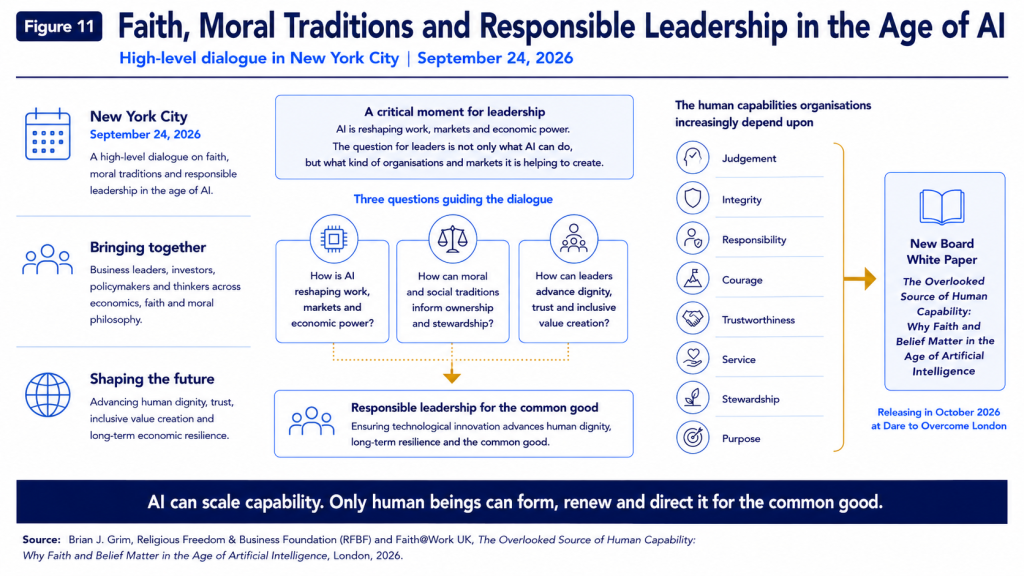
ANNAPOLIS, Md., September 2026 — Brian J. Grim, Ph.D., President of the Religious Freedom & Business Foundation, will participate in a high-level dialogue in New York City on September 24, 2026, exploring how faith, moral traditions and responsible leadership can help shape the future of work, markets and economic power in the age of artificial intelligence.

The session comes amid growing reflection among faith, business and policy leaders following the publication of the encyclical Magnifica Humanitas, which has prompted renewed discussion about technology, human dignity, economic life and the common good. Drawing on the work of the World Economic Forum’s Global Future Council on Faith in Action, the gathering will bring together business leaders, investors, policymakers and thinkers across economics, faith and moral philosophy.

Participants will examine how AI is reshaping work, markets and economic power; how moral and social traditions can inform the responsibilities of ownership and stewardship; and how leaders can advance human dignity, trust, inclusive value creation and long-term economic resilience.

“This conversation comes at a critical moment,” said Grim. “Artificial intelligence is changing how organisations operate, compete and create value. But the qualities that determine whether these technologies serve people well, including judgement, integrity, responsibility, trust and purpose, remain profoundly human. The question for leaders is not only what AI can do, but what kind of organisations and markets it is helping to create.”

Grim recently addressed this issue in his thought piece, “AI Has Two Cost Curves. Most Boards Are Managing Only One.” The article argues that many boards are increasingly attentive to the rising investment required to build technological capability, but pay less attention to the investment required to sustain and strengthen human capability. It highlights two governance risks: underestimating the long-term cost of AI at scale and undervaluing the product knowledge, customer understanding, relationships and judgement that employees bring to an organisation.

“AI can process information, recognise patterns and generate increasingly sophisticated outputs,” Grim said. “What it cannot do is accept responsibility for a difficult decision, build trust within a fractured team or create a shared sense of purpose. Those responsibilities remain stubbornly, and strategically, human.”

The New York gathering also anticipates the October release at Dare to Overcome London of Grim’s new Board White Paper, The Overlooked Source of Human Capability: Why Faith and Belief Matter in the Age of Artificial Intelligence. The paper develops the proposition that organisations increasingly depend upon human capabilities they did not create, and that boards should better understand where those capabilities are formed, renewed, strengthened or weakened.

The white paper argues that faith and belief should no longer be viewed only through the lenses of accommodation, compliance or employee inclusion. For many people, religious and belief traditions also help form and renew the human capabilities organisations increasingly need in an AI-enabled economy: judgement, integrity, responsibility, courage, trustworthiness, service, stewardship and purpose.

“Boards routinely oversee strategy, talent, culture, risk and technology,” Grim said. “Yet few ask where the human capability on which all of these depend actually comes from. As AI becomes more powerful, that question becomes more urgent.”

The September 24 dialogue will contribute to a growing global conversation about how faith, moral reasoning and responsible leadership can help ensure that technological innovation advances human dignity, long-term resilience and the common good.

About Brian J. Grim

Brian J. Grim, Ph.D., is President of the Religious Freedom & Business Foundation, Global Chair of Dare to Overcome, and Associate Director of Faith@Work UK. He is an internationally recognised expert on the relationship between religion, business, economics and human flourishing, and advises leaders across business, government and civil society on faith, workplace culture, leadership and social impact.

About the Religious Freedom & Business Foundation

The Religious Freedom & Business Foundation is a global nonprofit organisation that helps companies build workplaces where employees of all faiths and beliefs, including those with no religious affiliation, are respected and able to contribute fully. Through research, benchmarking, convening and practical resources, RFBF advances understanding of how faith-friendly workplaces strengthen organisational culture, trust, belonging and human flourishing.

For more information, visit Religious Freedom & Business Foundation.