Working for workplace religious belonging, inclusion & freedom

E-NEWS ACTION DONATE

Monthly Archives: July 2026

Why Religious Freedom Needs Builders, Not Just Advocates

5 Jul, 2026

How Businesses and Civil Society Can Help Reverse the Global Rise of Religious Restrictions

For decades, efforts to advance freedom of religion or belief (FoRB) have focused primarily on advocacy: documenting violations, defending victims of persecution, promoting legal protections, and pressing governments to uphold international human-rights standards. These efforts remain essential. Yet despite decades of dedicated advocacy, religious restrictions continue to rise globally. Today, nearly three-quarters of the world’s population lives in countries with high or very high levels of restrictions on religion.

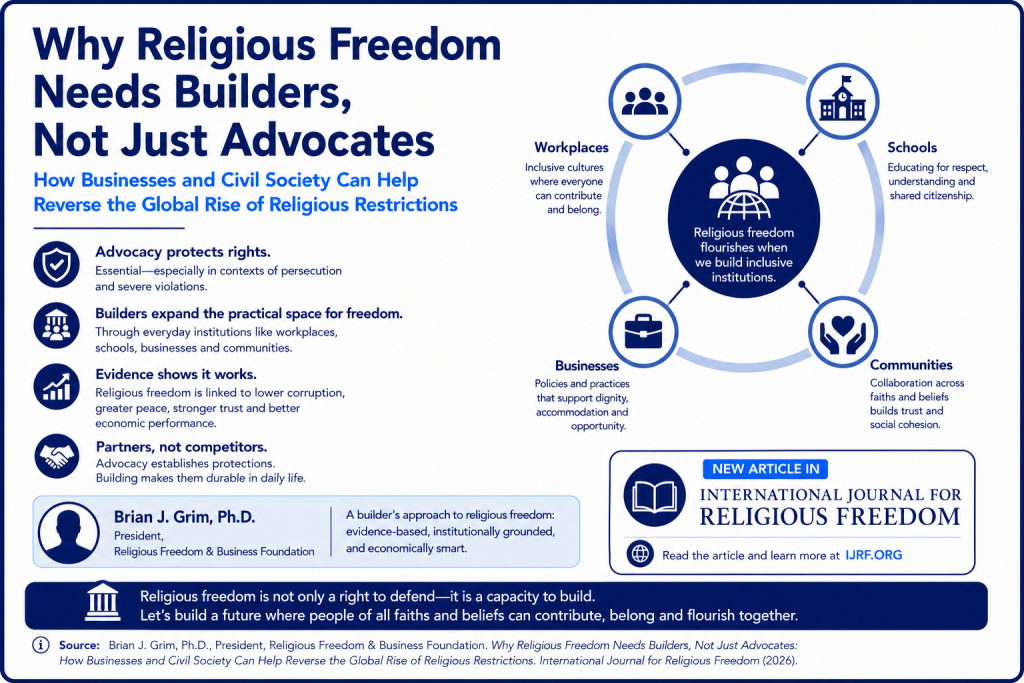
In my recent article in the International Journal for Religious Freedom, I argue that while advocacy remains indispensable, it is no longer sufficient on its own. We need a complementary strategy: a builder’s approach to religious freedom.

The builder’s approach starts with a simple observation. Religious freedom is not experienced primarily in courtrooms, legislatures, or diplomatic forums. People encounter religious freedom—or its absence—in their everyday lives: in workplaces, schools, businesses, civic organizations, and local communities. These institutions often determine whether people can live openly according to their beliefs, contribute fully to society, and engage constructively with people who think differently.

Builders seek to expand this practical space for religious freedom. Rather than focusing only on legal rights, they work through institutions that shape daily life. Businesses, in particular, are uniquely positioned to play a constructive role. They employ people of diverse faiths and beliefs, influence organizational cultures, and create environments where differences can either become sources of conflict or opportunities for cooperation.

The case for this approach is not merely philosophical. It is empirical.

Research consistently shows that societies with higher levels of religious freedom tend to experience lower corruption, greater peace, stronger social trust, and improved economic performance. Studies comparing countries around the world have found that freedom of religion or belief is associated with several key drivers of economic growth, competitiveness, and institutional effectiveness.

Religion itself also contributes significantly to economic and social life when allowed to operate freely. Congregations, faith-based charities, schools, healthcare systems, and faith-inspired businesses generate employment, strengthen communities, mobilize volunteers, support vulnerable populations, and create substantial economic value. Religious freedom enables these contributions to flourish. Restrictions on religion, by contrast, often constrain human potential while increasing social tensions and economic costs.

This insight helps explain why businesses increasingly recognize the value of religious inclusion. Practices such as faith-and-belief employee resource groups, religious accommodation policies, chaplaincy programs, and religious literacy training are often adopted not as symbolic gestures but because they improve employee well-being, reduce conflict, strengthen belonging, and support organizational performance. The growth of faith-friendly workplace initiatives illustrates how religious freedom can be operationalized through everyday institutional practice.

In the article, I distinguish between advocates and builders. Advocates focus on protecting rights through legal and policy mechanisms. Builders focus on cultivating the social and institutional conditions that allow those rights to flourish in practice. The two approaches are not competitors; they are partners. Advocacy establishes essential protections. Building helps make those protections durable by embedding them in the institutions that shape daily life.

The builder’s approach rests on four core elements: a commitment to human flourishing across differences, reliance on empirical evidence, institutional creativity, and collaborative engagement. Builders ask not only whether religious freedom is protected in law, but whether people can actually live it out within the institutions that matter most in their lives.

Religious freedom remains one of humanity’s most important rights. But if we hope to reverse the long-term rise in religious restrictions, we must think beyond advocacy alone. The future of religious freedom will be shaped not only by governments and courts, but also by businesses, schools, charities, and communities willing to build environments where people of all faiths and beliefs can contribute, belong, and flourish together.

For that reason, religious freedom should be understood not only as a right to defend, but also as a social capacity to build.

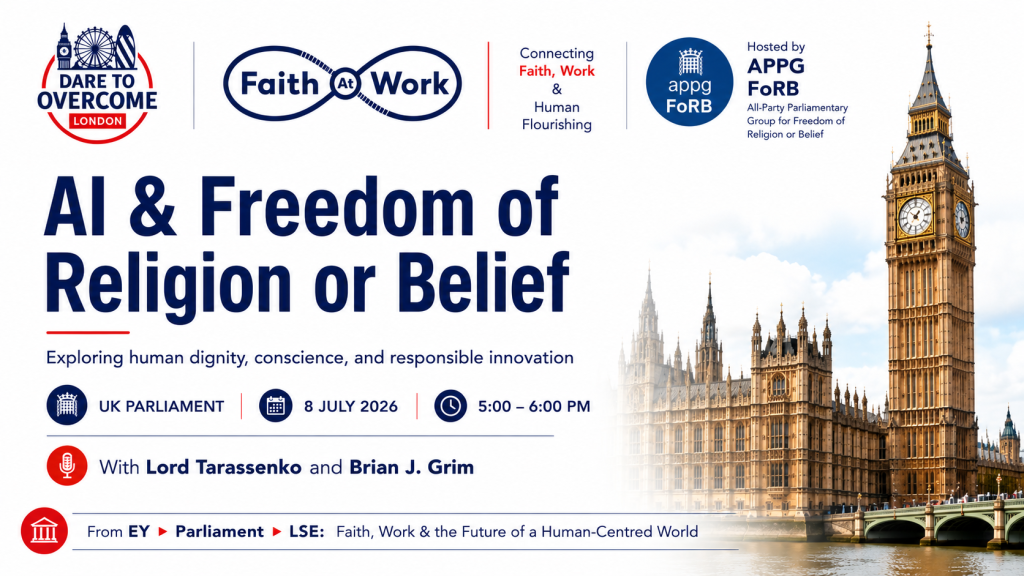
UK Parliament Session on AI and Freedom of Religion or Belief, 8 July 2026

2 Jul, 2026

FOR IMMEDIATE RELEASE

Faith@Work and Dare to Overcome Convene UK Parliament Session on AI and Freedom of Religion or Belief

London, 8 July 2026 — Faith@Work and Dare to Overcome will convene a Parliamentary Session on AI and Freedom of Religion or Belief on Wednesday, 8 July 2026, from 5:00 to 6:00 PM in Committee Room 20, Houses of Parliament, London.

Hosted by the APPG for Freedom of Religion or Belief, the session will explore the opportunities and risks of artificial intelligence for freedom of religion or belief, human dignity, and human flourishing.

Speakers include Professor Lord Tarassenko CBE FREng FMedSci, President of Reuben College, University of Oxford, and Brian J. Grim, Ph.D., President of the Religious Freedom & Business Foundation and Global Chair of Dare to Overcome.

The session is part of an ongoing Faith@Work and Dare to Overcome series examining the intersection of faith, work, technology, human dignity, and public life. The conversation began at the UK Faith@Work Conference hosted by EY in April, continues now in the UK Parliament, and will develop further at the London School of Economics on 16 October 2026 during Dare to Overcome London 2026.

“As artificial intelligence reshapes workplaces, economies, education, and public life, we must ask not only what technology can do, but what kind of society it should help us build,” said Dr. Brian Grim. “Freedom of religion or belief is central to that question because it protects conscience, dignity, identity, and the human search for meaning.”

The July 8 session will bring together policymakers, faith and business leaders, scholars, and technology experts for a focused discussion on responsible innovation and the future of human-centred society.

Attendance is limited. Email for invitation.

PUBLIC COMMENT: To the Presidential Religious Liberty Commission

1 Jul, 2026

To the Presidential Religious Liberty Commission:

PUBLIC COMMENT – Chapter 13 and Chapter 14 – Brian J. Grim

Thank you for the opportunity to comment on the draft report of the Presidential Religious Liberty Commission. I submit these comments as President of the Religious Freedom & Business Foundation, as a former senior researcher on global restrictions on religion at the Pew Research Center, and as someone whose life’s work has been shaped by missionary experience, Catholic conversion, social science research, and practical engagement with business leaders seeking to build workplaces where people of all faiths and none can contribute with dignity.

I welcome the report’s central conviction that religious liberty is not merely a private benefit for believers, but a public good. I also welcome the report’s recognition that religious liberty protects believers, nonbelievers, and those still searching for what they believe. It strengthens communities, enriches civic life, and requires vigilance, education, and renewed commitment from institutions and citizens. That broader cultural emphasis is essential. Religious liberty cannot be sustained only through litigation after harm has occurred. It must also be cultivated through the ordinary institutions where people live, learn, work, serve, worship, dissent, and build trust across difference.

My principal recommendation is that the final report should strengthen its treatment of the private sector and workplace culture. Chapter 13 rightly recognizes that private employers, professional organizations, commercial enterprises, and other institutions provide jobs to millions of Americans, and that people of faith should not be required to leave their religious convictions behind when entering the workplace, engaging in commerce, serving their communities, or participating in public debate. I strongly support that conclusion.

At the same time, I encourage the Commission to go further. The workplace is not only a site where religious liberty may be violated. It is also one of the most important places where religious liberty can be made real.

My understanding of this reality came not first from research, but from experience. In Saudi Arabia, I learned what it meant to bring only the smallest version of myself to work. My Catholic faith had to remain hidden. Even mentioning Christmas could have cost me my job. Later, in the United Arab Emirates after September 11, Muslim officers at a national military academy recognized that I was Catholic and invited me to remain and pray with them. At a moment of profound global fear, they did not treat my faith as a threat. They recognized it, respected it, and made room for it.

That contrast became a turning point in my life. Religious freedom became for me not only a constitutional or legal principle, but the practical freedom to live and work without hiding one’s soul. It is the freedom to seek truth, follow conscience, live with integrity, and contribute to the good of others without being forced to amputate the deepest part of oneself.

For most Americans, religious freedom is not experienced primarily in courtrooms, agencies, or legislative hearings. It is experienced in the practical conditions of daily life: whether an employee can request time off for a holy day without fear of being viewed as less committed; whether a worker can wear religious dress or symbols without penalty; whether a manager knows how to handle a religious accommodation request with fairness and respect; whether employees can participate in faith-and-belief employee resource groups; whether Jews, Muslims, Christians, Hindus, Sikhs, Buddhists, humanists, atheists, and others can speak from conscience without being stereotyped, pressured, or silenced; and whether people can bring not only their skills, but also their integrity, moral judgment, sense of vocation, and deepest sources of purpose to work.

This is why I urge the Commission to frame workplace religious liberty not only as protection from discrimination, but also as a positive social capability. The goal should not be to make workplaces religious. The goal should be to make them more human.

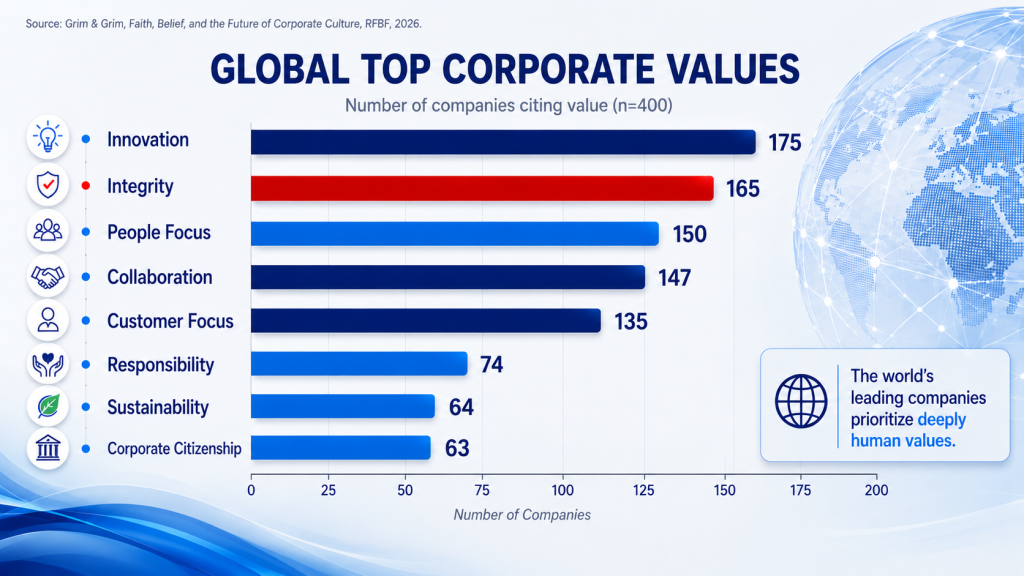
In my current work with companies in the United States, the United Kingdom, India, and elsewhere, I have seen that many leading employers are beginning to understand religion or belief as part of a broader human capital and culture agenda. The most mature organizations do not treat religion or belief merely as a compliance risk or occasional HR problem. They develop the capacity to engage religion, belief, and non-belief with clarity, confidence, and care. They build fair policies, train managers, support employee networks, recognize holy days, provide practical accommodation processes, and create cultures where people can disagree respectfully while maintaining trust.

I encourage the Commission to add a practical workplace framework to its final recommendations, building on the “Know Your Rights” approach already included in the draft report. A stronger private-sector section could encourage the Equal Employment Opportunity Commission, the Department of Justice, and relevant agencies to develop not only posters, but also practical implementation resources for employers, including:

  • — model guidance for religious accommodation processes and manager training;
  • — best-practice examples of faith-and-belief employee resource groups and respectful dialogue initiatives;
  • — guidance on religious expression, holy days, dress, grooming, prayer, dietary needs, and conscience concerns;
  • — resources that help employers distinguish protected religious expression from harassment, discrimination, and religious prejudice; and
  • — practical tools for measuring and improving workplace religious freedom and religion-or-belief inclusion.

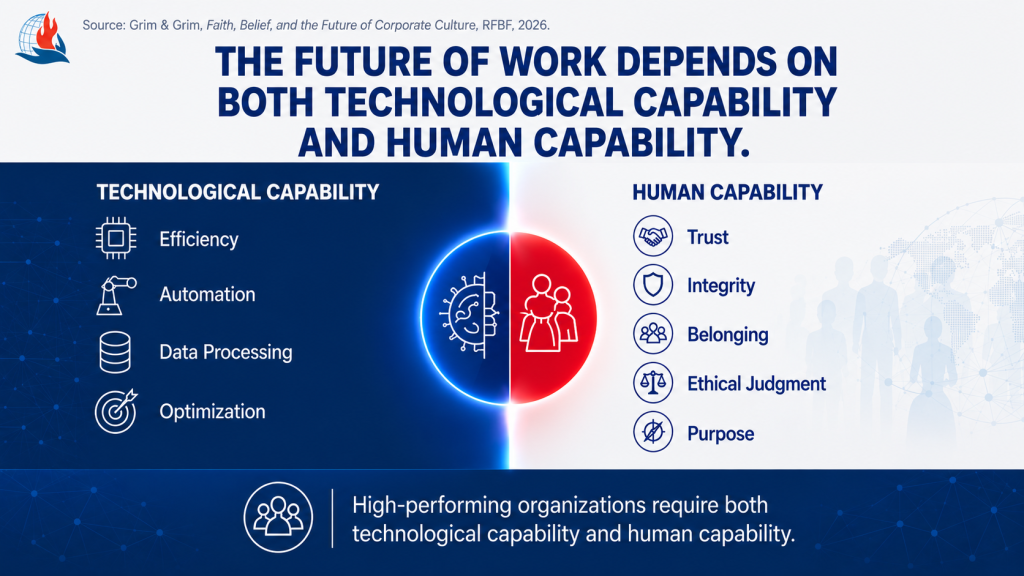
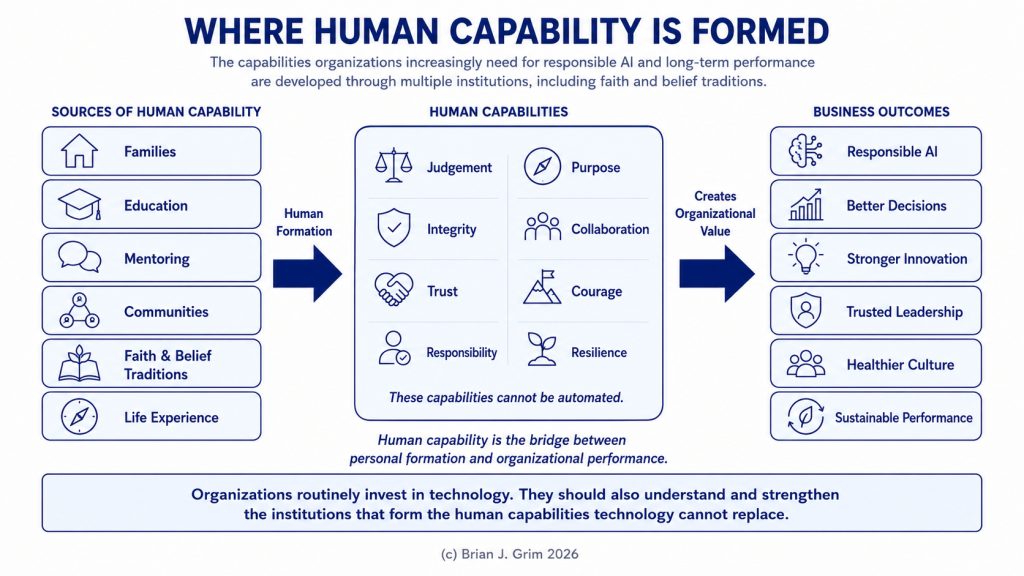
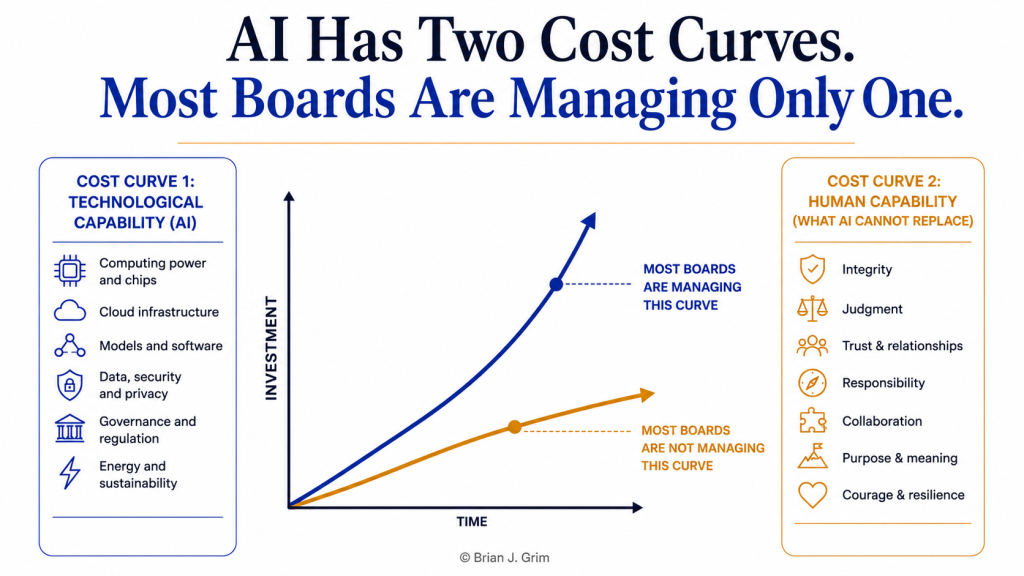
The report should also recognize that the future of religious liberty will increasingly intersect with artificial intelligence and technology governance. AI tools are already being used in hiring, scheduling, monitoring, performance assessment, workforce planning, communication, promotion, and employee development. These tools may affect religious employees in subtle but significant ways. Automated scheduling systems may fail to account for Sabbath observance or holy days. AI-enabled performance systems may reward availability patterns that unintentionally disadvantage employees with religious commitments. Content moderation tools may misclassify religious speech. Talent systems may overlook the deeper sources of integrity, judgment, courage, service, and purpose that faith and belief often help form.

As organizations become more technologically powerful, they must also become more human. Religious liberty and freedom of conscience belong in that conversation.

I therefore recommend that the Commission add language encouraging employers, regulators, and technology developers to consider religious liberty, conscience, dignity, and meaningful human oversight in the deployment of AI and algorithmic systems affecting workers. Religious freedom in the next 250 years will not be protected only by remembering the Founding. It will also require foresight about the systems now shaping human identity, opportunity, speech, and belonging.

I also encourage the Commission to emphasize that religious liberty is strengthened when it is understood globally, not only domestically. America’s constitutional tradition has inspired many beyond our shores. At the same time, Americans can learn from global experience. My research at Pew showed that religious freedom is shaped by both government restrictions and social hostilities. Law matters deeply, but social pressure also matters. A person may have formal rights and still feel unable to live openly because of workplace hostility, social stigma, institutional silence, or fear of retaliation.

This suggests that the Commission’s final report should continue to stress legal protections while also making clear that religious freedom is sustained by culture. The question is not only whether government refrains from coercion. It is whether society has the habits, institutions, and civic imagination to make room for conscience and conviction across deep differences.

For that reason, I strongly support the report’s call for education, public awareness, and “Know Your Rights” resources. I would add that public education should be framed in a way that is invitational rather than merely defensive. Americans need to know not only what religious liberty protects them from, but what it frees them for: service, charity, civic responsibility, moral formation, neighborly love, truthful disagreement, and human flourishing.

Religious liberty must not become the possession of one political party, one religious tradition, or one cultural faction. It is too important for that. Properly understood, it protects the church, synagogue, mosque, temple, gurdwara, school, hospital, business, family, dissenter, seeker, convert, and nonbeliever. It protects the person whose convictions are popular and the person whose convictions are misunderstood. It protects the religious institution that serves from faith and the individual employee who seeks to live with integrity at work.

As America marks 250 years of independence, the Commission has an opportunity to help the nation look not only backward to 1776, but forward to 2276. Religious liberty must remain a living freedom, one that protects conscience, welcomes conviction, makes room for disagreement, and encourages every person to contribute to the common good.

The next chapter of religious freedom should not be written only for the people. It should be written by the people and of the people, with a renewed commitment to every person’s freedom to seek truth, follow conscience, and contribute to human flourishing.

Thank you for your work and for inviting public comment.

Respectfully submitted,

Brian J. Grim, Ph.D.
President, Religious Freedom & Business Foundation

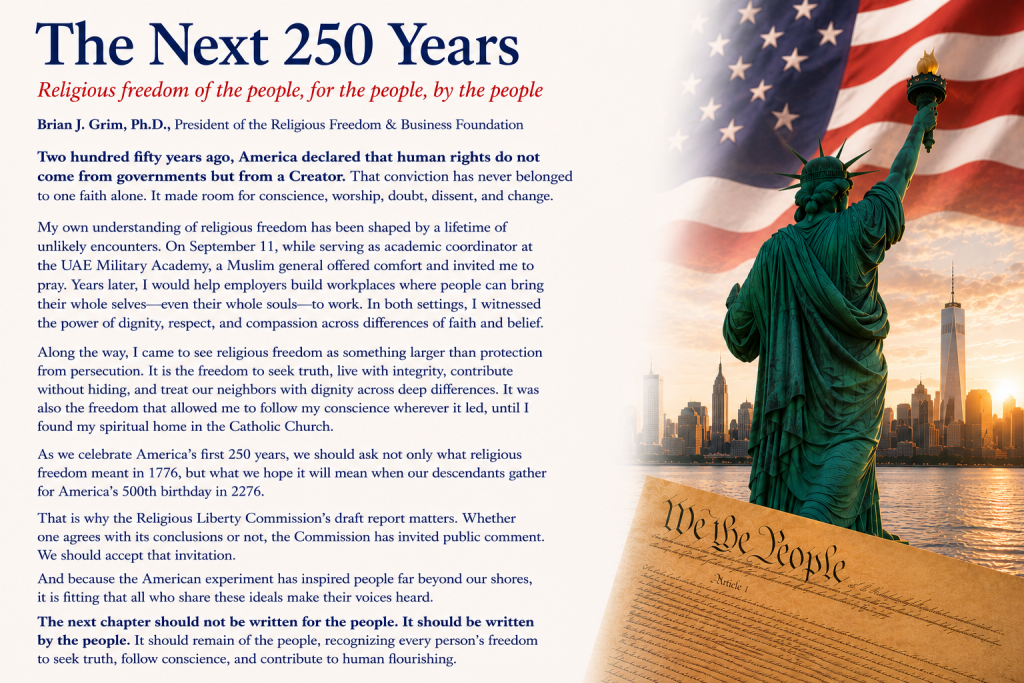
The Next 250 Years

1 Jul, 2026

Why your voice belongs in America’s conversation about religious freedom.

By Brian J. Grim, Ph.D.

Two hundred fifty years ago, America declared that human rights do not come from governments but from a Creator. That conviction has never belonged to one faith alone. It made room for conscience, worship, doubt, dissent, and change.

My own understanding of religious freedom has been shaped by a lifetime of unlikely encounters. On September 11, while serving as academic coordinator at the UAE Military Academy, a Muslim general offered comfort and invited me to pray. Years later, I would help employers build workplaces where people can bring their whole selves—even their whole souls—to work. In both settings, I witnessed the power of dignity, respect, and compassion across differences of faith and belief.

Along the way, I came to see religious freedom as something larger than protection from persecution. It is the freedom to seek truth, live with integrity, contribute without hiding, and treat our neighbors with dignity across deep differences. It was also the freedom that allowed me to follow my conscience wherever it led, until I found my spiritual home in the Catholic Church.

As we celebrate America’s first 250 years, we should ask not only what religious freedom meant in 1776, but what we hope it will mean when our descendants gather for America’s 500th birthday in 2276.

That is why the Religious Liberty Commission’s draft report matters. Whether one agrees with its conclusions or not, the Commission has invited public comment. We should accept that invitation.

And because the American experiment has inspired people far beyond our shores, it is fitting that all who share these ideals make their voices heard.

The next chapter should not be written for the people. It should be written by the people. It should remain of the people, recognizing every person’s freedom to seek truth, follow conscience, and contribute to human flourishing.


Read the Commission DRAFT Report

This draft of the Religious Liberty Commission Report, based on public hearings held and public comments received, is available here and open to public comment for fifteen (15) days, with comment period closing on Monday, July 13, 2026. Comments may be emailed to RLC@usdoj.gov.

–> Read My PUBLIC COMMENT: To the Presidential Religious Liberty Commission

To aid the Religious Liberty Commission in processing your comments, please format the subject line using the following:

PUBLIC COMMENT – [TOPIC OR CHAPTER NUMBER] – [NAME].

Please be aware that public comments are open to public inspection, not confidential. Please do not include personally identifiable information, such as personal addresses, in your comments.

After the fifteen (15) day comment period, Commission will hold a virtual public meeting to review comments reviewed, discuss the draft, and finalize the report. Attendance information will be posted on the “Upcoming Events” page and in the Federal Register at least seven (7) days prior to the meeting.