
The Crisis of Moral Leadership Isn’t a Shortage of Competence — It’s a Shortage of Conscience
By Brian Grim
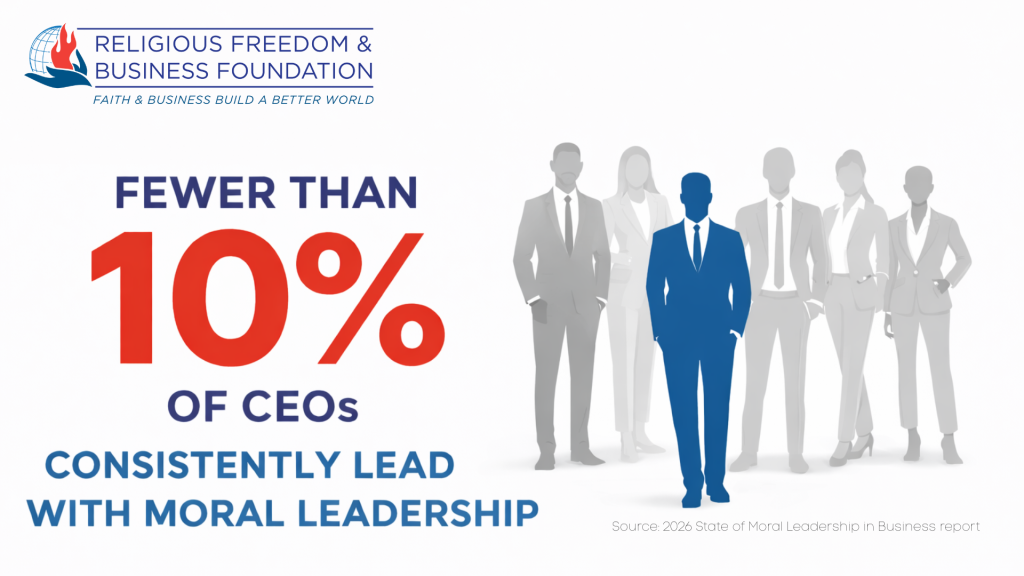
In workplace after workplace, one statistic from the 2026 State of Moral Leadership in Business report stands out like a blinking warning light: fewer than 10 percent of CEOs are consistently judged to be practicing moral leadership. Despite overwhelming employee demand for principled leadership, a tiny minority of leaders actually demonstrate the behaviors and decision-making that build trust, cohesion, and long-term success, according to the research.
2026 survey of employees about their managers’ demonstration of various specific moral leadership behaviors finds fewer than 10 percent of CEOs are consistently judged to be practicing moral leadership
This is not a problem of technical skill or strategic savvy. It is a crisis of conscience — a gap between what people expect leaders to embody and what they actually experience. In a time of deep polarization, fast-moving technologies, and cultural upheaval, employees want more than efficiency or profitability; they want workplaces grounded in values that affirm human dignity and shared purpose.
A closer look at the HOW Institute’s research reveals why this matters. Workers who report to top-tier moral leaders are far more likely to feel psychologically safe, to innovate, and to remain loyal to their companies. They describe workplaces where employees can speak honestly, test new ideas without fear, and engage respectfully across differences, conditions that align closely with the best practices emerging in faith-rooted ethics across traditions.
In her CEO Daily commentary, Diane Brady highlights the behavioral core of moral leadership: telling the truth even when it’s risky, apologizing authentically when wrong, framing decisions around organizational purpose, and helping others cultivate moral judgment. These are not abstract ideals but observable leadership behaviors that the report ties directly to better business outcomes.
Brady’s insight that moral leadership is about practice, not intent is confirmed in every section of the report. Leaders who speak clearly about values, model humility, and invite teams into a shared moral journey are the ones whose organizations thrive. Yet most leaders fall short, and the result is predictable: employees crave meaning, direction, and ethical accountability at work.
Recognizing Moral Leadership: A New 2026 Award
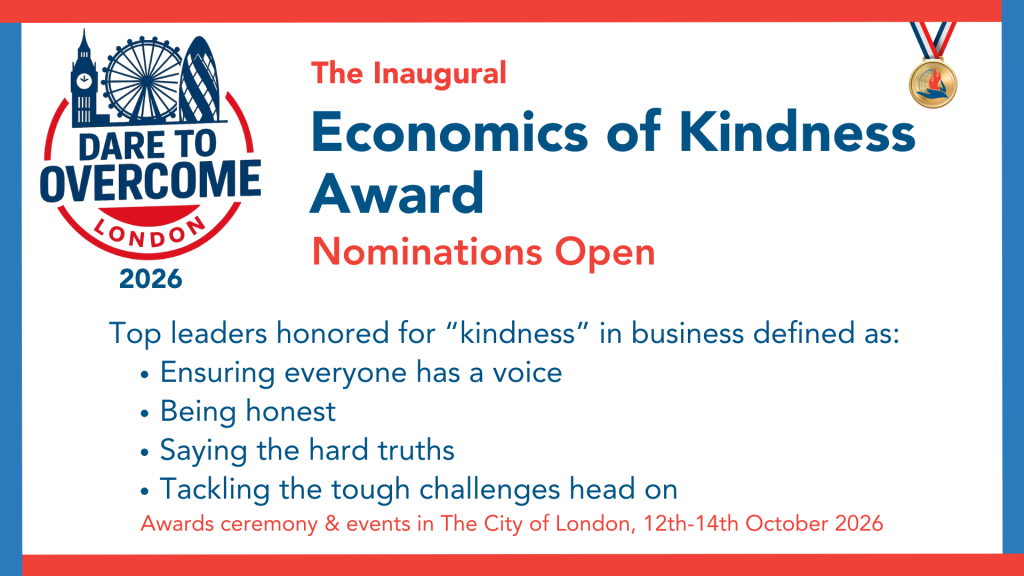
In alignment with this behavioral approach to moral leadership, our new Economics of Kindness Award highlights organizations and leaders who treat kindness not as a soft ideal, but as a practical discipline that strengthens business and human flourishing. The award defines kindness in actionable terms:
- — Ensuring everyone has a voice
- — Being honest
- — Saying the hard truths
- — Tackling the tough challenges head on
By recognizing leaders who embed these practices into workplace culture, the Economics of Kindness Award reinforces that kindness is not peripheral to success, it is a catalyst for trust, loyalty, and sustainable outcomes.
Deeper Moral Frameworks
This is where opening workplaces to deeper moral frameworks, including those informed by religious and spiritual wisdom traditions, can make a concrete difference. Not in a narrow or proselytizing way, but by inviting reflection on the ethical and purposeful dimensions of work that many employees already bring with them. A growing body of evidence shows that inclusive approaches to spirituality and religion at work, from faith-based employee resource groups to policies that honor diverse beliefs, correlate with greater belonging, well-being, and engagement.
Such approaches align with what employees are asking for: environments that don’t just tolerate difference, but affirm the whole person. When workplaces acknowledge deeper meaning, whether through inclusive spiritual resources, opportunities for ethical dialogue, or purpose-driven leadership development, they address the very “freedom to” conditions the HOW Institute identifies as critical for moral leadership to flourish.
Opportunity to Engage
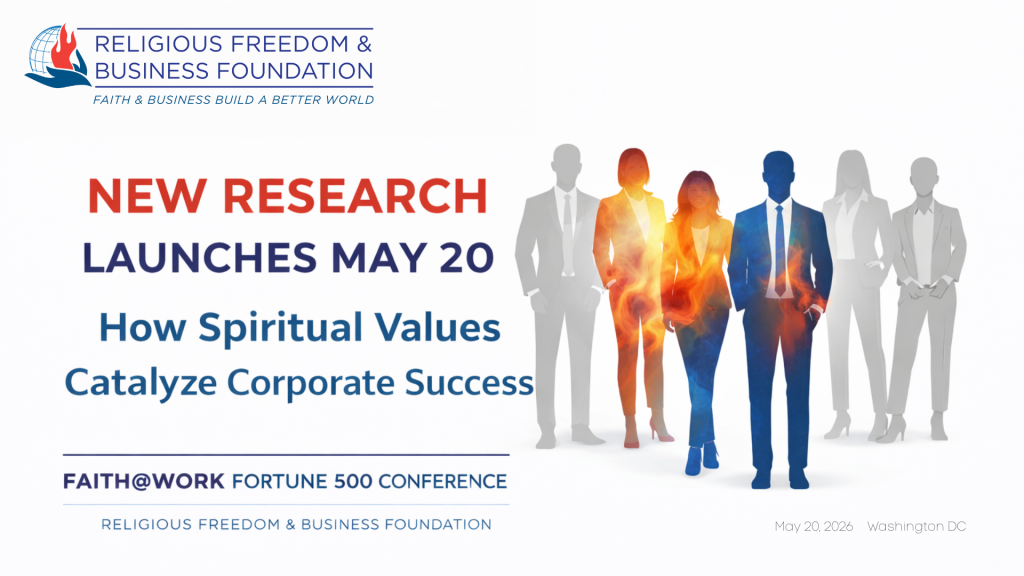
This spring, at the Faith@Work Fortune 500 Conference in May, our new research will explore precisely how spiritual values catalyze corporate success, showing that moral and spiritual dimensions of work are not peripheral, but central to organizational resilience and human flourishing.
As the moral leadership deficit deepens, the answer is not merely more training in compliance or more data dashboards. The answer is conscience, cultivated through purpose, humility, and inclusive communities of practice. For leaders willing to engage at that level, the rewards, including greater trust, loyalty, and meaningful performance, will follow.