Why companies are reintroducing faith into workplace culture
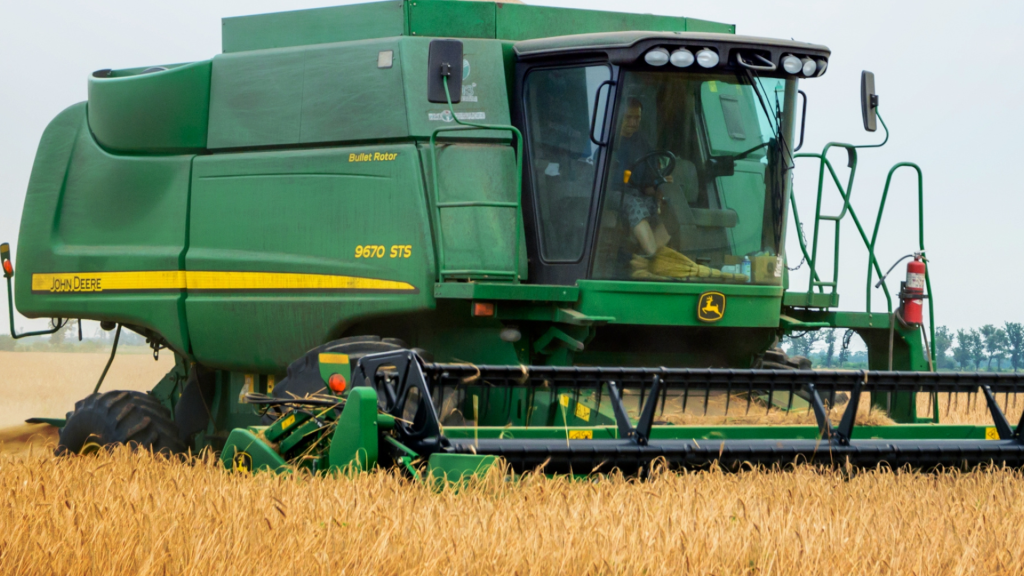
John Deere Combine Harvester Harvesting Wheat in Field, Stephan Botezatu, Zaporizhzhya, Ukraine, July 28, 2015 | Canva
Brian Grim
President, Religious Freedom & Business Foundation
At John Deere’s upcoming annual shareholders meeting on February 25, the board will face a question that more corporate leaders should be prepared to address: how should companies respond to the role of faith and belief in workplace culture?
A shareholder proposal submitted by Bowyer Research requests that Deere’s Board evaluate and report on the reputational, human capital, operational, legal, and other relevant risks of failing to allow faith-based business resource groups (BRGs).
Deere has urged shareholders to vote against the proposal, arguing that producing such a report would divert resources from strategic priorities and advance the views of the proponent.
Regardless of the outcome, the significance is clear: faith and belief inclusion has entered the boardroom.
For many employers, religion has long been viewed as a sensitive topic, raising concerns about misunderstanding, favoritism, or conflict. Legal experts emphasize that organizations must balance accommodation with clear guardrails, manager training, and consistent policies.
Yet the underlying reality is straightforward. Employees do not leave their faith or deeply held beliefs at the door when they come to work. For millions of workers, belief is a source of meaning, identity, and resilience. Companies that ignore this dimension of human experience risk weakening engagement and trust. Companies that address it thoughtfully can strengthen culture and retention.
A faith-and-belief-friendly workplace is not about endorsing religion. It is about fairness, dignity, and ensuring that employees of all faiths—and those with no religious affiliation—feel respected and included.
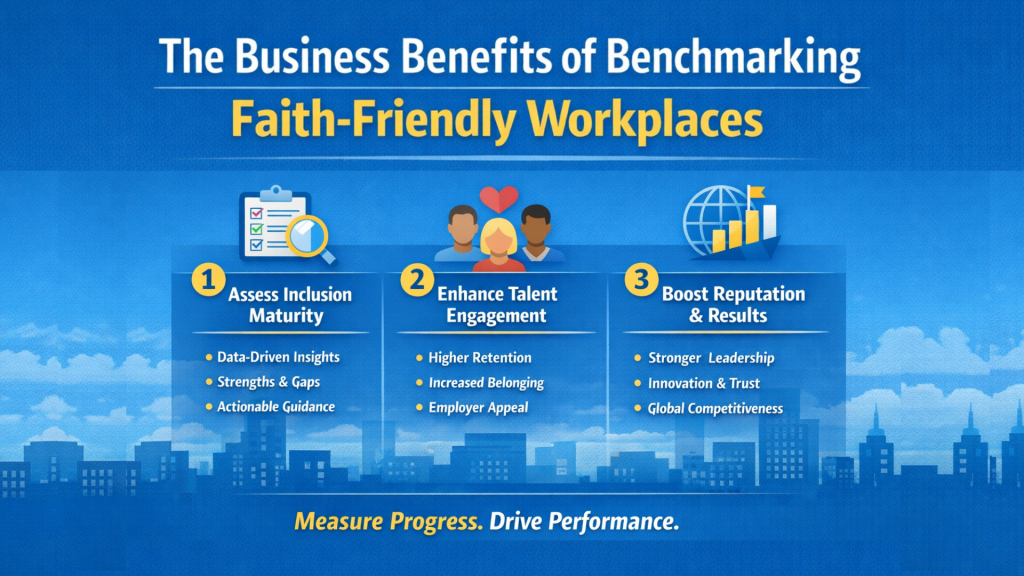
That is why the Religious Freedom & Business Foundation created the Faith-Friendly Workplace REDI Index, a benchmarking tool used by many Fortune 500 companies, that enables companies to assess and improve how well they are supporting faith and belief inclusion as part of workplace culture.
The 2026 REDI Index survey is now open, and we invite companies of every size and sector to participate. Benchmarking is one of the most practical steps an organization can take to evaluate its current posture, identify gaps, mitigate risk, and demonstrate measurable progress.
Boards and leadership teams will increasingly be asked not whether faith belongs at work, but whether they are managing religious inclusion with the same discipline, professionalism, and strategic clarity applied to every other dimension of human capital.
- — To request the 2026 Faith-Friendly Workplace REDI Index survey, visit here.
Additional Resources and Commentary