
Religion is one of the least discussed aspects of diversity at work, yet for many people it is a central part of identity. Around 62 percent of people in the UK identify with a religion. Despite this, new research suggests that many employees feel unable to acknowledge this part of their identity at work.
Workplace expert Binna Kandola unpacks the latest data on religion in the workplace in the video above.
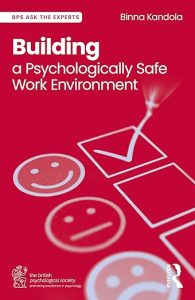 Binna Kandola is a psychologist, co-founder of Pearn Kandola, and an award-winning author specialising in diversity, inclusion, and workplace culture. His latest book, Building a Psychologically Safe Work Environment, offers a practical, accessible guide to creating workplaces where people feel heard, valued, and able to contribute, equipping leaders with the tools to foster inclusive, effective, and high-performing teams.
In a new survey of employees in the UK who identify with a religion across a range of faith groups including Buddhist, Christian, Hindu, Jewish, Muslim and Sikh participants. Several headline findings stand out.
Religion remains a sensitive topic in workplaces. While severe incidents of discrimination are relatively rare, subtle forms of bias and misunderstanding remain widespread.
Many report feeling uncomfortable discussing their religion at work, while 66% feel uncomfortable discussing religion in general in workplace settings, including saying they have actively avoided conversations about religion because they fear misunderstandings or political tensions.
A majority of respondents believe religious discrimination exists in the workplace, and a sizeable number report having personally witnessed discrimination against someone because of their religion.
However, when discrimination occurs, people are often reluctant to intervene.